
For families navigating the complex world of autism treatments, stem cell therapy has emerged as a compelling option — especially at internationally recognized clinics like Stem Cell Institute. Recently, Angie brought her son Braylan to our clinic in Panama for stem cell therapy for autism. They have been three times total, and she sat down to answer some of the common questions parents have about stem cell treatment.
What Is Stem Cell Therapy for Autism?
Autism Spectrum Disorder (ASD) is a complex neurodevelopmental condition characterized by challenges in social communication, repetitive behaviors, and sensory sensitivities. While traditional therapies like behavioral intervention and speech therapy remain cornerstones of care, many families are exploring regenerative medicine — specifically mesenchymal stem cell (MSC) therapy — as a complementary approach.
Stem cell therapy for autism targets two of the most significant underlying biological factors associated with ASD: chronic neuroinflammation and gut inflammation. Research suggests that persistent inflammation in both the brain and the gut can impair neurodevelopment and worsen autism symptoms over time. Mesenchymal stem cells, derived from human umbilical cord tissue (UC-MSCs), are known for their powerful anti-inflammatory and immune-modulating properties — making them a promising candidate for addressing these root causes.
Unlike conventional drugs that manage symptoms, stem cells work by:
- Reducing inflammation in the brain and gastrointestinal tract
- Modulating the immune system to correct dysregulation common in ASD
- Stimulating neuroplasticity, which supports improvements in behavior, language, and social awareness
- Encouraging tissue regeneration in areas impacted by chronic inflammation
Why Are Families Traveling to Panama for Stem Cell Therapy?
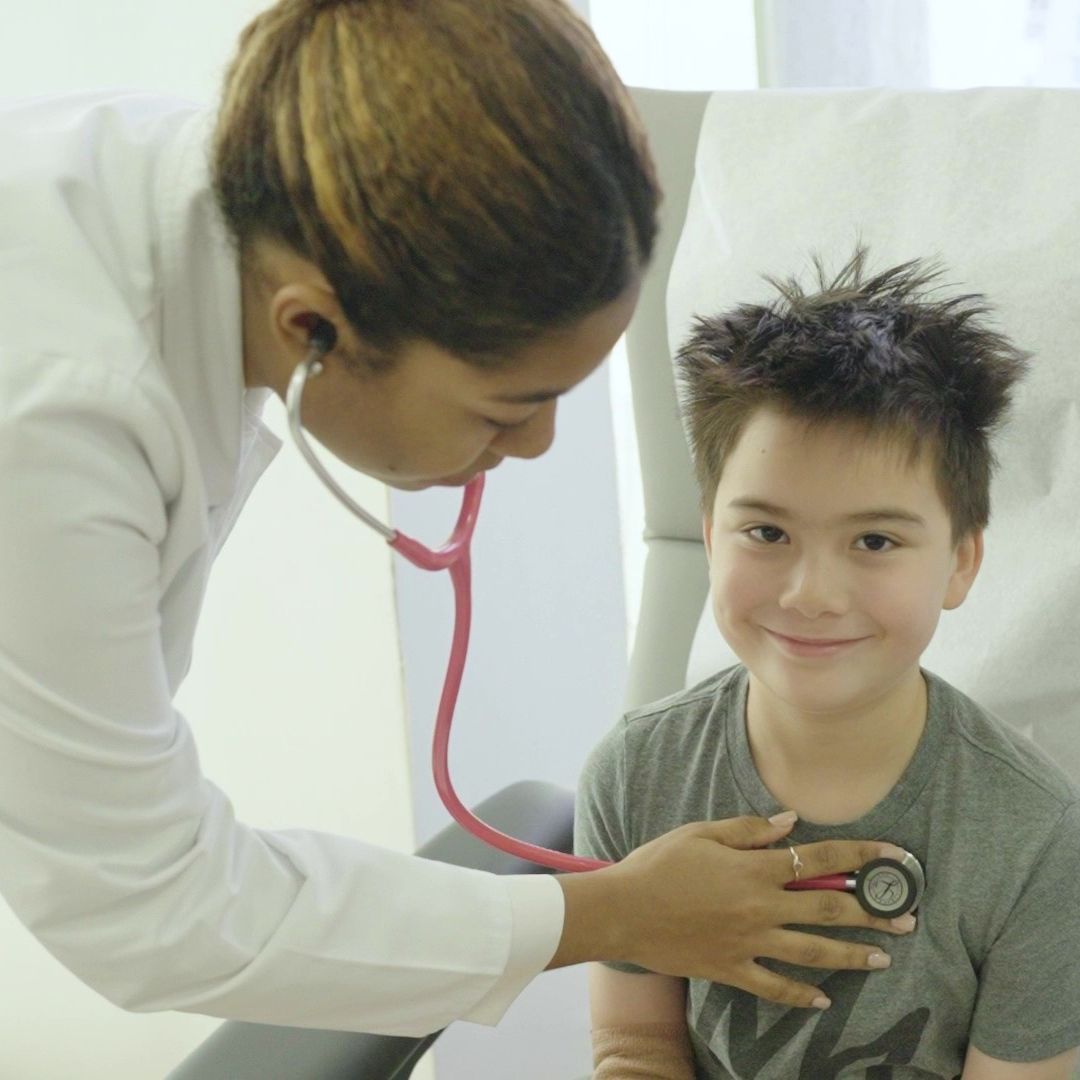 Leading stem cell clinics like the Stem Cell Institute have performed tens of thousands of procedures and treated thousands of patients with autism specifically. This level of experience is difficult to find anywhere else in the world.
1. Cutting-Edge Cell Technology
The Stem Cell Institute uses umbilical cord tissue-derived MSCs — widely considered superior to autologous cell sources like bone marrow because they are younger, more potent, and require no painful extraction from the patient. The Stem Cell Institute’s proprietary Golden Cells™ are the result of over 20 years of research and aren’t available at any other clinic in the world.
2. Compliant Processes in an International Setting
Stem cell therapy for autism is not currently FDA-approved in the United States. However, Stem Cell Institute operates under full licensing from Panama’s national medical authorities and adheres to international standards, including ISO 9001 certification and GMP (Good Manufacturing Practice) compliance. This means families get access to a treatment not available at home — in a regulated, professional environment.
3. Manageable Waiting Times
Unlike some experimental treatments with multi-year waitlists, it is easy to apply for treatment at the Stem Cell Institute and schedule your appointment. This is critical for families who understand that early intervention during brain development is key.
“I Was Scared, Too” — A Real Parent’s Experience Traveling to Panama
One of the biggest barriers parents face isn’t the treatment itself — it’s the fear of traveling internationally with a child who has autism. Angie, a mom who has now made the trip to the Stem Cell Institute three times with her son Braylan, remembers feeling exactly that way before her first visit.
“I personally have traveled out of the country before. I know a lot of people haven’t. So they’re very, very skeptical about that part of it — they’re already worried about their kid getting the treatment, how that’s going to work. But as soon as we were here, it’s just like, okay, the weight’s lifted.”
She describes a logistics setup designed specifically to reduce stress for traveling families. From the moment you land, a clinic representative meets you at the airport to guide you through customs and baggage. The hotel is connected directly to the clinic — no outdoor walking required. Families simply take the elevator down, walk through a hallway, and scan a badge to gain access to the clinic.
“If you don’t want to leave [the hotel], you don’t have to,” Angie says. “It’s just an elevator ride.”
She also wants solo parents to know they can do this alone: “I’ve met many, many moms that have come with their child on their own. I feel totally safe to bring him by myself.”
Watch Angie’s Full Testimonial Video
Common Questions Parents Ask Before Traveling to Panama for Stem Cell Treatment
“Is it safe to travel there alone with my child?”
This is one of the most frequently asked questions in autism parent communities, and the answer from families who’ve done it is a resounding, “Yes.” The Stem Cell Institute experience is designed for traveling families — airport pickup by a clinic representative, a direct hotel-to-clinic walkway, and on-call staff throughout the stay. Many single parents have made this trip without any additional support.
Is this treatment medically safe for my child?
Umbilical cord-derived MSCs have an excellent safety profile because the body does not recognize them as foreign. There has never been a documented case of rejection (graft-vs-host disease). Any side effects, when they occur, are mild and temporary — most commonly brief fatigue or headache. Serious adverse events are extremely rare.
Will my child need to donate their own stem cells?
No. The treatment uses donor cells from healthy umbilical cords, donated by consenting mothers after normal, full-term births. This is a major advantage for children with autism, as it eliminates any painful or stressful collection procedures from the patient.
“My child won’t tolerate in
jections. There’s no way.”
This is one of the most common worries raised in autism parent groups — and one of the most consistently resolved by parents who’ve actually been through it. Angie addresses it directly: “I know a lot of people share concerns with, ‘My kid’s not going to allow an injection.’ And everybody who’s been will say, ‘Believe me, they will make it happen.’ Within seconds later, they’re back to normal. They’re very good at what they do. They do this every day.”
Our clinic staff are highly experienced with children who have sensory sensitivities and behavioral challenges. The procedure is brief, and the team is practiced at making it as smooth as possible for you and your child.
How long until we see results?
Results vary by child. Some families notice improvements during the treatment week itself; others observe gradual changes over weeks to months. Commonly reported gains include better eye contact, increased social engagement, improved language and communication, reduced aggression or repetitive behaviors, and greater independence. The clinic typically follows up at 1, 3, 6, 9, and 12 months to track progress.
Is it legal? Will I have any issues traveling internationally with my child?
Yes, it is completely legal. The Stem Cell Institute is fully licensed by national health authorities, and traveling abroad to receive medical treatment is entirely lawful for U.S. and international families. The clinic handles customs logistics from the moment your plane lands.
Is stem cell treatment covered by insurance?
Currently, stem cell therapy for autism is not covered by U.S. health insurance, as it is not FDA-approved. Payment is made directly to the clinic prior to treatment. Final cost can vary, depending on the child’s unique treatment approach.
How do I choose the right clinic?
Not all stem cell clinics are equal. When evaluating options, ask:
- Does the clinic cite or participate in published scientific research on stem cell therapy for autism?
- Are cells sourced transparently and processed in a certified, affiliated laboratory?
- Does the clinic have a proven track record with autism, specifically?
- Will a licensed physician review your child’s case before being accepted for treatment?
- Are there documented patient outcomes and testimonials available?
- Has the clinic recorded any serious adverse outcomes?
Angie notes one reason why she believes the Stem Cell Institute is trustworthy is the continuity of care: “All three times that we’ve been here, we have the same doctors. She remembers us, she remembers him. They ask how he feels, what improvements he’s made — they are very interested in the progress.”
What should we do to prepare before traveling?
Most clinics require:
- Complete medical history and recent physician records
- Blood work and labs
- Treatment consent is submitted in advance
Children should be in reasonably good general health before traveling.
How many times will we need to go?
There is no single answer to this question — it varies by child and by the improvements seen. Many families who experience gains after the first round choose to return for additional treatments. As Angie explains: “Most people who have seen improvements will say you’re hopefully going to get some, and you’re just going to want more. So that’s the reason you continue — trying to do more treatments if you can.”
What happens after we return home?
Families can expect check-in calls from our team at 1 month, 3 months, 6 months, 9 months, and 1 year following treatment.
Watch Angie Answer Common Questions Parents of Children Autism Have Before Traveling to Panama for Stem Cell Treatment
Is Stem Cell Therapy a Cure for Autism?
This is perhaps the most important question to answer honestly. Stem cells are not a cure for autism. Experienced parents like Angie are candid about it.
The realistic goal, she explains, is incremental improvement in quality of life — not a transformation into a different person. “A more realistic expectation is that they would make improvements enough for them to have a better quality of life. I don’t know that anybody can expect it to be a cure or a full 100% recovery. I am thankful for the improvements that we did get, and feel like you can always hope for more.”
Some parents worry that treatment will fundamentally change who their child is. Angie understands that fear: “I’ve seen people say they don’t want to change their kid. Like, he’s ours, we love him the way he is. But for his own quality of life, we really would like this and this — which is the same. He’s still the same Bray. He has his little things that make him Bray, and the Bray that we know and love.”
Stem cell therapy is not a cure for autism, and no reputable clinic will claim otherwise. What stem cells for autism offer is the possibility of meaningful gains — in communication, behavior, awareness, and independence — by targeting the biological underpinnings of the condition. For many families, those gains are transformative.
Taking the Next Step
If you are a parent considering stem cell therapy for your child with autism, the most important steps are to:
- Do your research — focus on clinics with published research, transparent cell sourcing, and documented safety records
- Apply for a medical evaluation to determine whether your child is a good candidate
- Connect with other families who have gone through the process — their firsthand experiences are invaluable
When asked what she would tell a parent sitting on the fence, Angie doesn’t hesitate: “If you can afford it, do it. That’s what I say — because the good outweighs the bad for sure.”
Discover more families’ experiences seeking stem cell therapy for autism at the Stem Cell Institute
Read More Stories
Stem Cell Institute offers families access to one of the most advanced, experienced, and regulated stem cell therapy environments in the world. For children with autism whose families are searching for every possible avenue to support their development, it represents a serious and increasingly well-documented option worth exploring.
Interested in discovering if stem cell treatment is right for your child or a loved one with autism? Submit a patient application today to see if you qualify.
For more than two decades, Stem Cell Institute has been synonymous with scientific leadership in regenerative medicine. From pioneering research in mesenchymal stem cell (MSC) biology to the development of proprietary Golden Cells™, our discoveries have shaped the global understanding of cellular therapy. Every protocol, every treatment, and every patient experience reflects the same unwavering principles: evidence, ethics, and excellence. While our reach continues to grow, our mission remains the same: to bring the promise of regenerative medicine to life through proven science, compassionate care, and a relentless pursuit of better outcomes.