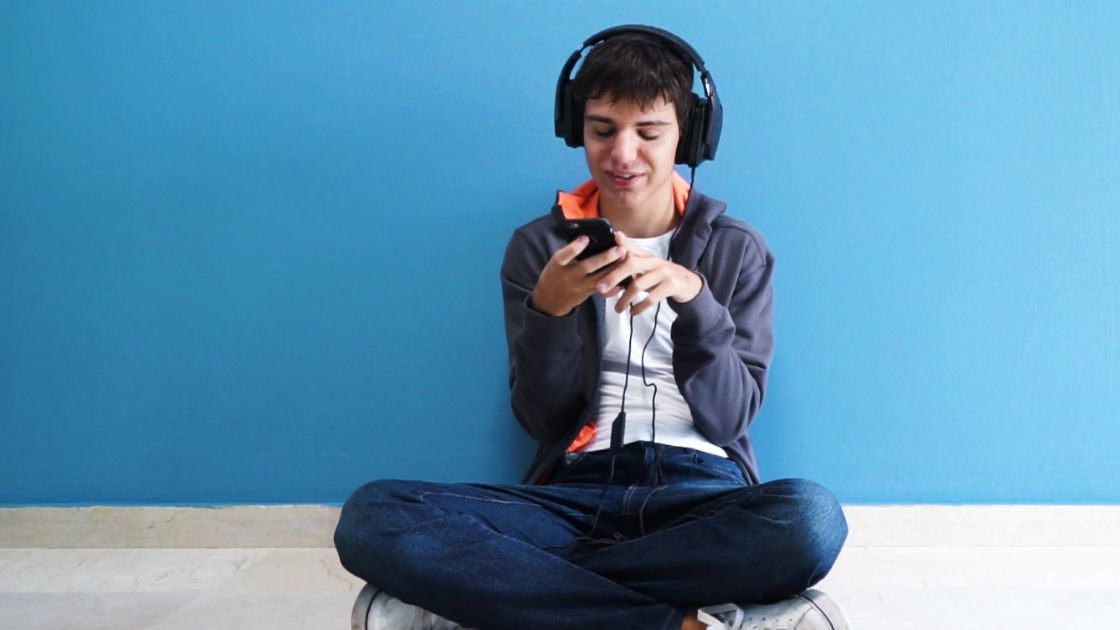
Chances are, you have or know of someone who has been directly impacted by the challenges autism can bring in life. Autism is a spectrum of disorders characterized by marked abnormalities in communication and social interactions. Common characteristics of people with autism can include:
- Difficulty with speech or language
- Sensory sensitivities
- Behavioral issues, such as increased aggression or tantrums
Living with autism, having a child with autism, or caring for a friend or loved one with autism can be challenging. That’s why it is important to seek out support or therapies that work best for your situation. Various strategies currently exist for mitigating the effects of autism, including stem cell therapy.
How Does Stem Cell Therapy Work?
Stem cell therapy is a type of regenerative medicine. You can find stem cells in most tissues in the body, including:
- Human umbilical cord tissue
- Bone marrow
- Fat
- Peripheral blood
These types of stem cells can be injected into the body and used to treat different conditions.
At Stem Cell Institute, we use Golden Cells™ for the treatment of autism [also referred to as Human Umbilical Cord Tissue Mesenchymal Stem Cells (HUCT MSCs)]. These proprietary cells are the culmination of two decades of research by renowned applied stem cell research scientist, Neil Riordan, PA, PhD.
The stem cells are processed at Medistem Panama, Dr. Riordan’s lab in Panama. We have found that these cells modulate the immune system, reduce inflammation, and proliferate more efficiently than other types of stem cells. This research and clinical expertise have been in place for over 20 years at the Stem Cell Institute.
Can Stem Cell Therapy Be Used for Treating Autism?
Stem cell therapy with Golden Cells™ is being used to help improve the lives of those living with autism.
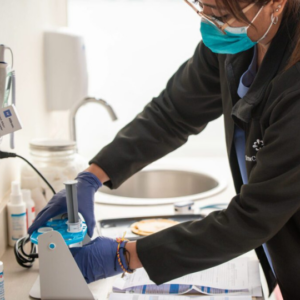
Children with autism often experience diminished oxygenation in the brain and chronic inflammation in the gut. Stem cell treatments with intravenous infusions of mesenchymal stem cells (MSCs) can potentially alleviate common symptoms of autism by decreasing that inflammation, helping patients make impressive progress.
The National Center for Biotechnology Information also backs up these findings by noting that MSCs exhibit paracrine secretion and properties of an immune system modulator, which makes them a promising potential candidate for treating autism spectrum disorders (ASDs).
The Stem Cell Treatment Process for Autism at Stem Cell Institute
We only offer the highest quality stem cells to our patients.
- Umbilical cords are donated by mothers after normal, healthy births.
- The umbilical cords are then sent to the laboratory, where mesenchymal stem cells are isolated from the cord tissue. These stem cells go through a very high throughput screening process to find cells that we know have the best anti-inflammatory activity, the best immune-modulating capacity, and the best ability to stimulate regeneration. In order to ensure safety, all umbilical cord-derived stem cells are screened for viruses and bacteria to International Blood Bank Standards.
- Once the assessment is complete, the stem cells are administered to the patient during the treatment process.
When treating autism, our human umbilical cord-derived Golden Cells™ are ideal because they allow our physicians to administer uniform doses. The stem cells are donated by healthy mothers, so they do not require any stem cell collection from the patient, and therefore no anesthesia. For autistic children and their parents, this can make the treatment experience much more pleasant.
Additionally, the stem cells we use are collected right after normal and healthy births. This makes human umbilical cord-derived stem cells much more potent than their “older” counterparts, like the stem cells derived from bone marrow.
Mesenchymal Trophic Factors for Autism Treatment
Mesenchymal Trophic Factors (MTF) is a next-generation, cell-free therapy derived from Golden Cells™. It is a powerful blend of free healing molecules, extracellular vesicles, and exosomes containing modifying factors naturally released by cells during their growth in the lab. This blend contains growth factors and anti-inflammatory agents that can help reduce swelling and inflammation, support the body’s healing process, and promote tissue repair.
Early lab research shows that MTF has strong anti-inflammatory effects, similar to a powerful medication called dexamethasone, but without the side effects.
At Stem Cell Institute in Panama, this therapy is currently being used alongside stem cell treatment for autism. The therapy is administered intranasally.
Stem Cell Therapy for Autism – Success Stories
Stem cells have been used to treat autistic children for years. Research has shown the potential healing power of stem cell therapy for the condition, and results back up that research.
The Kelley Family watched their son, Kenneth Kelley, hit developmental milestones and achieve increased independence after receiving stem cell therapy for autism at Stem Cell Institute. Prior to stem cell therapy, Kenneth couldn’t read, he lacked awareness of his surroundings, and he needed increased support to help him with everyday tasks.
Each time Kenneth came back for his stem cell treatment, his family saw improvements. By helping to manage Kenneth’s aggression, normalize his brain functionality, and increase his independence, stem cells truly changed the Kelleys’ lives.
“Our son is now thriving in ways I once thought would be impossible.”
Marty Kelley, Kenneth’s mother
Watch their full story:
Discover More Autism Success Stories
How Do You Choose a Clinic for Stem Cell Therapy?
Navigating different options for stem cell therapy for autism can be difficult, and it’s important to find a stem cell treatment facility that is right for you and your family. Here are some other factors you should consider when choosing a clinic:
Scientific Research
Has the clinic participated in or do they cite published scientific research on the benefits of stem cell therapy for autism?
Source of Stem Cells: Safety & Regulation
Does the clinic transparently explain where they source their stem cells? Do they work with or own their own regulated lab for processing?
Patient Experiences & Medical Care
Are there past patients who vouch for their own experience with stem cell treatment for autism? Will your child’s case for treatment be reviewed by a medical team member?
History of Patient-Centered Treatment Protocols
Is there an established history of the clinic prioritizing patient-centered treatment protocols that are supported by scientific research? Is there a history of any negative outcomes recorded?
When deciding where to take your child for stem cell therapy, it’s important to ask these questions and establish a list of clinics that stand on scientific research, a history of successful outcomes, transparency on cell source and safety, and top-notch stem cell treatment and care.
Take the first step toward a healthier and more independent life with autism. Apply for stem cell treatment today!
Stem Cell Institute in Panama City, Panama, is at the forefront of applied stem cell research. Since our inception in 2008, we have performed over 80,000 procedures, helping thousands of families across the United States and around the world embrace the opportunity for a better life. Our medical team prioritizes the health and well-being of all our patients through top-notch stem cell treatment and care.