Stem cell therapy harnesses the unique properties of stem cells, which can secrete beneficial molecules in response to the body’s needs, making them a powerful option for a wide range of conditions. For over two decades, the Stem Cell Institute has applied stem cell treatments using cells with a superior molecular signature, while following strict regulatory and safety standards.
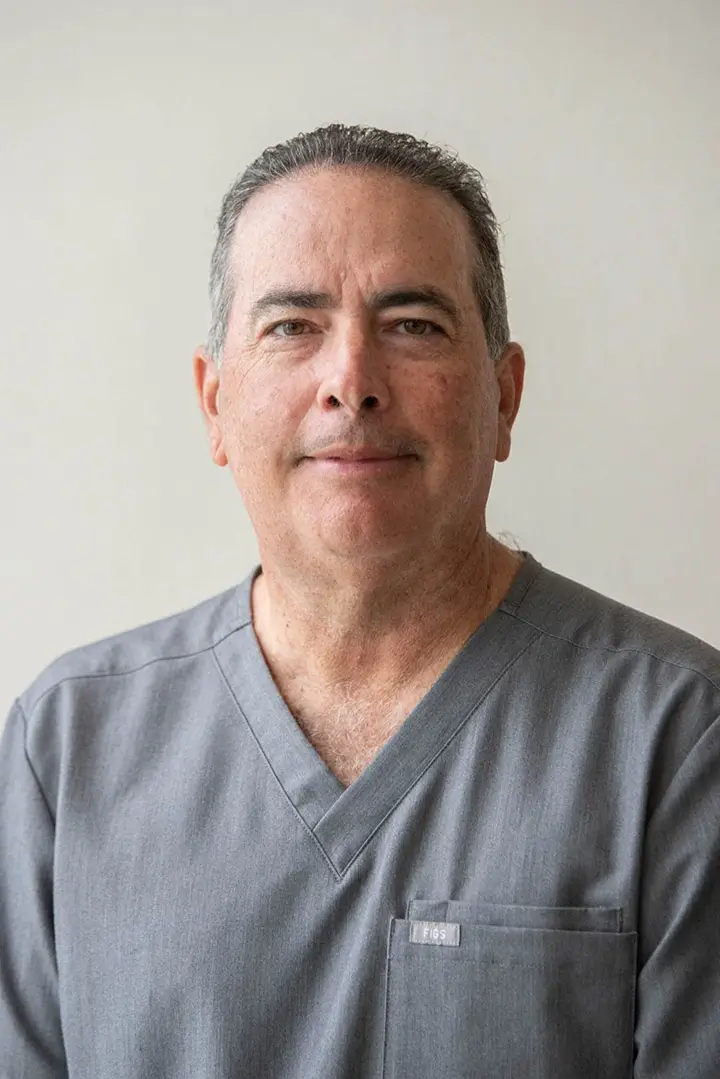
This work has been advanced through the leadership of Neil Riordan, PA, PhD, whose research and innovations have enabled rigorous screening of umbilical cord tissue. Using proprietary protocols, our lab isolates and selects only the highest-quality cells—termed Golden Cells™—that meet exacting quality control criteria.
About Stem Cell Therapy with Golden Cells™
At Stem Cell Institute, we use our proprietary Golden Cells™ for all treatments. These cells have been specially-selected mesenchymal stem cells derived from voluntarily donated umbilical cord tissue.
The selection process results in a superior molecular signature that was discovered after over a decade of research by Dr. Neil Riordan and his team of researchers to identify batches of stem cells that had been administered in highly successful recoveries. Among many other things,
Golden Cells™ are known to:
- Reduce inflammation
- Modulate the immune system
- Secrete factors that may help various tissues throughout the body to regenerate
Diseases Treated by Stem Cells

Autism
About 1 in 36 children in the US lives with autism spectrum disorder (ASD). The causes of this spectrum disease are still being researched. However, it has been found that children with ASD have higher levels of cytokines, chemokines, and other inflammatory molecules in the blood, brain, and gut. Given that stem cells have the ability to reduce inflammation in the body, they have been considered a possible treatment for ASD. The team at Stem Cell Institute has been advocating for the use of stem cells for ASD since 2007.
Osteoarthritis
Osteoarthritis is a degenerative disease where the cartilage that cushions the joints wears down. This causes chronic pain, swelling, stiffness, reduced range of motion, and affects quality of life. Inflammation is a key component of osteoarthritis and, given the ability of stem cells to reduce inflammation, many trials have used stem cells to treat osteoarthritis.
Frailty of Aging
Frailty of aging is marked by weakness, reduced endurance, and inflammation, leading to vulnerability and poor health. Clinical trials show that intravenous mesenchymal stem cells (MSCs) are safe and may improve physical performance and inflammatory markers in frail older adults. These cells have potential regenerative effects on muscles, heart, and nervous tissue, offering a promising approach to frailty treatment, though further research is needed to confirm long-term benefits.
Multiple Sclerosis
Multiple sclerosis is a degenerative and progressive disease that affects the central nervous system. The immune system mistakenly attacks the protective cover of the nerve fiber called myelin, causing inflammation and disruption in nerve communication. This leads to muscle weakness, numbness, and a gradual loss of function. Stem cells are being used for the treatment of multiple sclerosis due to their ability to reduce inflammation and their regenerative properties. The team at Stem Cell Institute published a groundbreaking study using umbilical cord stem cells to treat multiple sclerosis subjects.
Rheumatoid arthritis
Rheumatoid arthritis is an autoimmune disease where the synovium (a soft tissue lining the joints) is attacked by the immune system. This leads to joint pain, swelling, stiffness, fever, and severe disruption of everyday functions. The unique immunomodulatory properties of stem cells position them as an alternative form of therapy for rheumatoid arthritis.
Cerebral palsy
Cerebral palsy is a group of disabilities caused by damage to the brain around the time of birth. This damage leads to physical impairments, as the brain has difficulty controlling movement and coordination. The regenerative properties of stem cells could help repair damage to the brain, and studies using stem cells have reported improvements in motor function, cognition and other symptoms such as salivation, emotional changes and language competence.
Heart failure
Heart failure is a condition in which the heart is unable to pump sufficient blood to meet the body’s needs, leading to a backup of blood in the veins and resulting in congestion within the tissues. This condition can arise from damage to the heart muscle, such as that caused by a heart attack (infarction). Individuals with congestive heart failure often experience shortness of breath and fatigue during physical activity. New blood vessel formation has the potential to support a failing heart, and stem cells possess angiogenic properties, enabling them to promote the development of these vessels. Stem cell treatments have demonstrated improvements in ejection fraction and vascular remodeling.
Sports Injuries
Accidents and sports injuries can disrupt everyday activities or interfere with an athlete’s performance. To minimize downtime, accelerating the body’s healing response becomes desirable, especially if there is a solution that doesn’t require surgery or invasive treatments. Stem cell therapy can boost the healing process due to the regenerative and anti-inflammatory properties of stem cell secretions, enhancing the body’s ability to repair the injured tissue.
Autoimmune diseases
Autoimmune diseases occur when the body mistakenly attacks its own cells, thinking they are a threat. Rheumatoid arthritis and multiple sclerosis can be considered autoimmune diseases along with psoriasis, Crohn’s disease, ulcerative colitis, and several others. Stem cells have the ability to regulate the immune system through their secretions, leading to many trials to explore their potential.
How Stem Cell Therapy Works
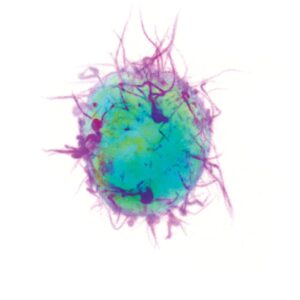
Stem cell therapy leverages the body’s natural repair system by responding to biological signals sent from areas of injury, inflammation, or disease. When tissue is damaged, it releases chemical distress signals into the bloodstream. These signals act as a call for help, prompting stem cells to migrate to the affected area.
Once there, mesenchymal stem cells—like the proprietary Golden Cells™ used at Stem Cell Institute—go to work not by becoming new tissue directly, but by acting as biological support centers. These specialized cells release a range of therapeutic molecules, including cytokines, growth factors, trophic factors, and extracellular vesicles such as exosomes.
Stem Cell Institute in Panama is Your Top Choice
Stem Cell Institute is the culmination of over 20 years of research and dedicated patient care. We take our patients’ experience and safety seriously in every treatment we offer and decision we make. Our treatment protocols emphasize science-backed research and quality stem cells for the chance of the best outcomes possible.
Experience and expertise
A single stem cell injection involves advanced laboratory equipment, highly educated technicians, carefully designed operating protocols, and expert healthcare and medical personnel. Stem Cell Institute has over 100 experienced professionals committed to delivering the highest quality of care. Over 55,000 procedures have been safely performed with our MSC products with no serious adverse events.
Advanced technology and quality control
With 70+ peer-reviewed publications and 17 families of patent applications, Stem Cell Institute is in constant international collaboration with key researchers and doctors in the field of regenerative therapy, partnering with top research institutions in the United States and across the globe to stay at the forefront of stem cell developments and advancements.
Our state-of-the-art laboratory is a leading applied stem cell research center with products featured in numerous peer-reviewed scientific publications. This 11,000-square-foot facility is ISO (International Organization for Standardization) 9001-certified and follows Good Manufacturing Practices (GMPs).
These rigorous quality standards help ensure that we are producing and delivering the highest quality of MSC products.
Personalized treatment approach
At Stem Cell Institute, stem cells are administered in several ways depending on each patient’s ailment and physical condition. Patients typically receive a minimum of three stem cell applications over the course of one week during the course of an entire treatment protocol. Methods of stem cell administration include intravenous (IV), intramuscular, intrathecal, intra-articular, and administration via perilymphatic routes.
If you receive stem cell injections, you are closely monitored after treatment to ensure your comfort and safety. After you return home, our medical team will continue to partner with you on your health journey. We will follow up with you at regular intervals to monitor your progress, offer support, and answer your questions.
Proven track record
Stem Cell Institute has safely treated over 19,000 patients with over 80,000 procedures. Their testimonies and experiences highlight the positive impact of stem cell therapy on their lives.
Are you ready to begin your stem cell treatment journey? Find out if you’re a candidate today.
Stem cell therapy can be used for a variety of conditions due to the anti-inflammatory, regenerative, and immunomodulating properties of stem cells.
Stem Cell Institute in Panama City, Panama, is at the forefront of applied stem cell research. Since our inception in 2008, we have performed over 80,000 procedures, helping thousands of families across the United States and worldwide embrace the opportunity for a better life. Our medical team prioritizes the health and well-being of all our patients through top-notch stem cell treatment and care.