
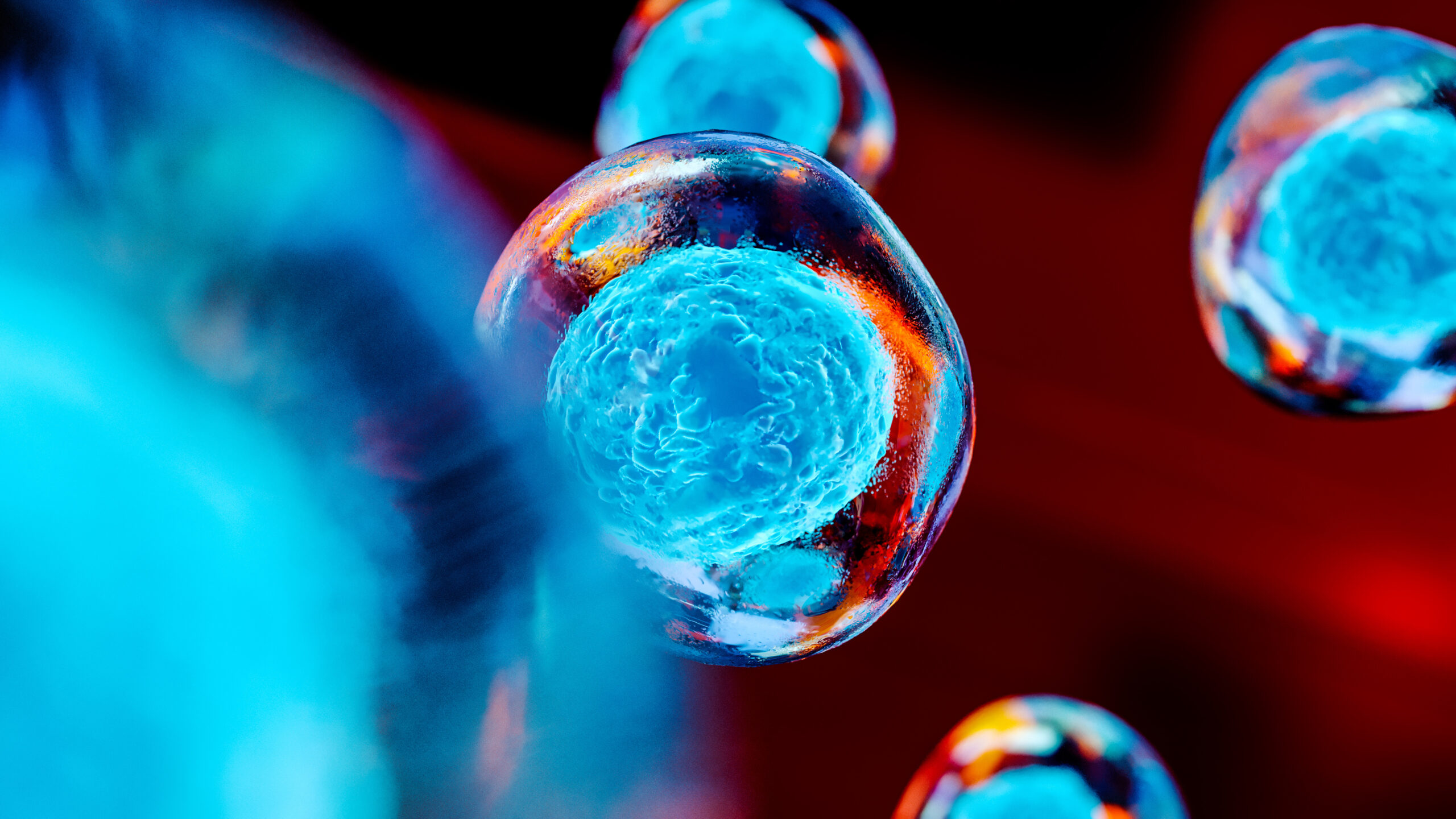
When most people hear the words stem cell, they imagine a tiny building block that replaces damaged tissue. While mesenchymal stem cells (MSCs) can support tissue repair, their greatest strength lies in something even more remarkable – the biologically active substances they produce and release.
So just what are mesenchymal stem cells and how do they work? Rather than acting as replacement parts, mesenchymal stem cells help coordinate the body’s natural healing processes. They communicate with surrounding tissues by releasing proteins, growth factors, and cytokines that help regulate inflammation, support the immune system, and encourage tissue repair. [1]
This unique ability is one of the reasons MSCs have become one of the most widely studied cell types in regenerative medicine.
A Living Cell with a Powerful Purpose
Inside every mesenchymal stem cell is a remarkable biological factory. These living cells continuously produce a variety of naturally occurring substances that allow them to interact with other cells throughout the body.
Among the most important are:
- Growth factors, which help support tissue repair and healthy cell function.
- Cytokines, proteins that help regulate inflammation and immune activity.
Rather than simply becoming new tissue themselves, MSCs help create an environment where the body can respond more effectively to injury and inflammation. [1]
Why Cellular Communication Matters
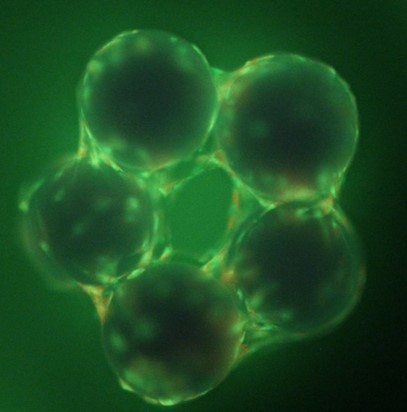
Our bodies are constantly communicating at the cellular level. When tissues are injured or inflamed, cells release signaling molecules that help coordinate the body’s response.
Mesenchymal stem cells become part of this communication by releasing growth factors, cytokines, and other biologically active molecules that help regulate inflammation, support immune balance, and encourage the body’s natural repair processes. [5]
Research has described three primary ways MSCs are understood to act:
- Help control inflammation.
- Help modulate the immune system.
- Help stimulate the body’s natural regenerative processes.
Together, these biological activities help create an environment where the body’s own repair mechanisms can function more effectively. [2] [3]
Why Reducing Inflammation Is So Important
Inflammation is one of the body’s natural defense mechanisms. In the short term, it helps protect us after injury or infection. But when inflammation becomes persistent, it can interfere with normal tissue function and is associated with many chronic conditions. [6]
One of the most studied biological properties of mesenchymal stem cells is their ability to help regulate inflammation while supporting a balanced immune response. Rather than targeting a single tissue or organ, MSCs release signaling molecules that help coordinate many of the body’s natural repair processes. [3]
Researchers continue to study how these biological activities may benefit people living with inflammatory, autoimmune, orthopedic, neurological, and age-related conditions. This work is ongoing, and much of the evidence to date comes from laboratory and early clinical research. [4]
Not All Mesenchymal Stem Cells Are the Same
An important point in the scientific literature is that not all mesenchymal stem cells perform equally. Individual MSC populations can vary in their measured potency and biological activity depending on their tissue source, the donor, and how the cells are processed and expanded. [7] Cells from umbilical cord tissue, in particular, show great therapeutic potential. [8]
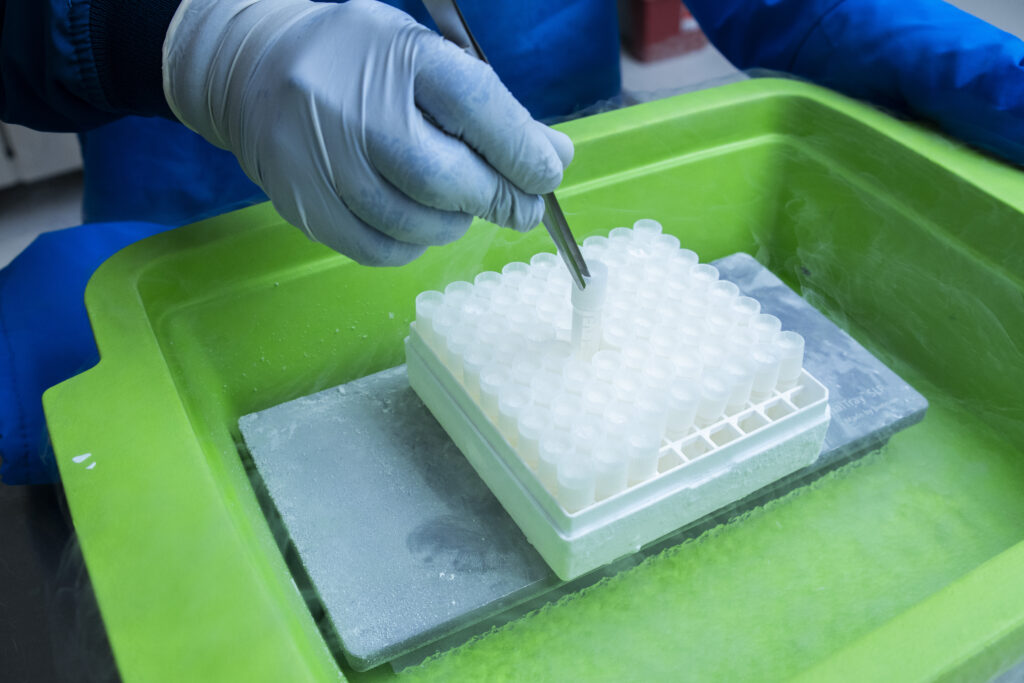 Drawing on more than two decades of laboratory research and clinical experience, Stem Cell Institute developed a proprietary process to identify a select group of umbilical cord tissue–derived mesenchymal stem cells that, in the Institute’s own laboratory testing, consistently demonstrated strong and consistent biological activity. Through this proprietary laboratory test ing, cells are selected based on characteristics including viability, potency, consistency, and biological activity.
These specially selected cells are known as Golden Cells™.
Golden Cells™ are the exclusive mesenchymal stem cells used in Stem Cell Institute treatment protocols. Developed through years of the Institute’s own research and retrospective analysis, they are selected using proprietary technology designed to identify cells with strong, consistent biological activity in the laboratory. This commitment to precision reflects Stem Cell Institute’s goal of providing MSCs selected for laboratory-measured quality, consistency, and biological activity. [a]
As Dr. Neil Riordan explains:
“An MSC is not an MSC. They are not all created equal… Some perform better than others. That’s why we’ve been working to select the best cells for use in patients with chronic disease.” — Stem Cell Therapy: A Rising Tide (Chapter 5).
The Takeaway
Mesenchymal stem cells are remarkable not because they simply replace damaged tissue, but because they help guide the body’s own healing response.
By releasing proteins, growth factors, cytokines, and other biologically active molecules, MSCs help regulate inflammation, support immune balance, and encourage tissue repair. [1] [3] Decades of research continue to expand our understanding of these cells and their role in regenerative medicine.
Stem Cell Institute‘s development of Golden Cells™ reflects more than two decades of scientific research focused on identifying mesenchymal stem cells with strong biological activity and consistency. This commitment to research, ethical cell sourcing, and rigorous laboratory standards continues to guide the Institute’s research-driven approach to regenerative medicine and its focus on patient education. [a] [b]
References
Peer-Reviewed Scientific References
These references support the general science of mesenchymal stem cells described above. They describe MSC biology broadly and are not studies of Golden Cells™ or of any specific Stem Cell Institute treatment.
- Trigo CM, Rodrigues JS, Camões SP, Solá S, Miranda JP. Mesenchymal stem cell secretome for regenerative medicine: Where do we stand?. J Adv Res. 2025;70:103-124. PMID: 38729561 https://pubmed.ncbi.nlm.nih.gov/38729561/
- Chang C, Yan J, Yao Z, Zhang C, Li X, Mao HQ. Effects of mesenchymal stem cell–derived paracrine signals and their delivery strategies. Adv Healthc Mater. 2021;10(7):e2001689. PMID: 33433956. https://pubmed.ncbi.nlm.nih.gov/33433956/
- Song N, Scholtemeijer M, Shah K. Mesenchymal stem cell immunomodulation: mechanisms and therapeutic potential. Trends Pharmacol Sci. 2020;41(9):653–664. PMID: 32709406. https://pubmed.ncbi.nlm.nih.gov/32709406/
- Gao F, Chiu SM, Motan DAL, Zhang Z, Chen L, Ji HL, Tse HF, Fu QL, Lian Q. Mesenchymal stem cells and immunomodulation: current status and future prospects. Cell Death Dis. 2016;7(1):e2062. PMID: 26794657. https://pubmed.ncbi.nlm.nih.gov/26794657/
- Weiss ARR, Dahlke MH. Immunomodulation by mesenchymal stem cells (MSCs): mechanisms of action of living, apoptotic, and dead MSCs. Front Immunol. 2019;10:1191. PMID: 31214172. https://pubmed.ncbi.nlm.nih.gov/31214172/
- Cifuentes M, Verdejo HE, Castro PF, Corvalan AH, Ferreccio C, Quest AFG, Kogan MJ, Lavandero S. Low-Grade Chronic Inflammation: a Shared Mechanism for Chronic Diseases. Physiology (Bethesda). 2025 Jan 1;40(1):0. PMID: 39078396. https://pubmed.ncbi.nlm.nih.gov/39078396/
- Wang W, Han ZC. Heterogeneity of Human Mesenchymal Stromal/Stem Cells. Adv Exp Med Biol. 2019;1123:165-177. PMID: 31016600. https://pubmed.ncbi.nlm.nih.gov/31016600/
- Drobiova H, Sindhu S, Ahmad R, Haddad D, Al-Mulla F, Al Madhoun A. Wharton’s jelly mesenchymal stem cells: a concise review of their secretome and prospective clinical applications. Front Cell Dev Biol. 2023 Jun 27;11:1211217. PMID: 37440921 https://pubmed.ncbi.nlm.nih.gov/37440921/
Stem Cell Institute Sources
These are internal Stem Cell Institute materials that support the description of Golden Cells™. They are company sources and are separate from the peer-reviewed references above.
a. Your Guide to Stem Cell Therapy and Riordan Centers Messaging 3.0 — Stem Cell Institute. Golden Cells™ are described as proprietary, precision-selected mesenchymal stem cells identified through the Institute’s own research and retrospective analysis for biological activity, potency, viability, and consistency.
b. Riordan N. Stem Cell Therapy: A Rising Tide.
This article is for educational and informational purposes only and is not medical advice. The statements in this article have not been evaluated by the U.S. Food and Drug Administration and are not intended to diagnose, treat, cure, or prevent any disease. Individual results may vary. The peer-reviewed references cited describe the general science of mesenchymal stem cells and do not represent claims about the safety or effectiveness of any specific product or treatment, including Golden Cells™. Always consult a qualified healthcare provider before making decisions about medical care.